Benjamin Gufford Pottery
Saturday, March 9, 2013

Saturday, March 2, 2013
11 Blockbuster Hollywood Yang Diplesetkan Jadi Film Porno
Di Amerika Serikat industri film porno tak lagi dianggap ilegal. Hampir setiap tahunnya rumah produksi film porno memproduksi ratusan judul film porno untuk kemudian didistribusikan lewat internet atau pun produk fisik (DVD).
Untuk menarik lebih banyak konsumen akan produk mereka, industri film porno Hollywood selalu berkreasi memplesetkan film blockbuster untuk dibuat versi nakalnya! Bukan hanya sekadar judul yang diplesetkan, namun setiap detil atau ciri khas dari film Blockbuster tersebut dimasukkan ke dalam film porno tersebut. Ambil contoh film porno THE SIMPSONS XXX yang menampilkan para aktornya dicat dalam warna kuning seluruhnya.
Sejatinya ada banyak sekali judul plesetan yang diproduksi setiap tahunnya. Artikel ini hanya menunjukkan beberapa judul film laris Hollywood yang "apes" diplesetkan jadi film porno.

THE X-FILESpernah menjadi serial drama fiksi ilmiah horor terlaris di Amerika Serikat dan punya masa tayang yang lama, yakni tahun 1993 sampai 2002. Serial ini mengangkat kisah dua agen FBI, Mulder dan Scully, dalam menyelidiki kasus tak terpecahkan yang berhububungan dengan alien dan hal paranormal.
Imej di atas langsung runtuh saat parodinya dibuat dengan menempatkan kata "Sex" menggantikan kata "X". Sudah bisa ditebak bahwa nantinya film ini akan bercerita tentang kasus seks yang aneh-aneh.

Kalau film seperti THE X-FILES yang segmented saja diplesetkan, apalagi film superhero yang populer seperti BATMAN. Film BATMAN XXX ini memparodikan kisah petualangan Batman di era 1960-an dengan bumbu-bumbu adegan seks yang diselipkan di sana-sini.
Para pemainnya pun mengenakan kostum yang persis sama seperti BATMAN di era 60-an, termasuk sang tokoh jahat seperti Joker, Catwoman, dan The Riddler.

Produser film porno ternyata punya ide untuk membawa fantasi seksual para penonton ke planet Pandora, di mana para makhluk biru Navi tinggal. Menyadur penuh karya James Cameron yang menjadi film terlaris sepanjang masa tersebut, versi parodi ini sayangnya tak dibuat dalam CGI mewah. Para pemainnya dirias layaknya makhluk navi lengkap dengan kuping lancipnya.

Angelina Jolie sukses memerankan sosok Lara Croft dalam film adaptasi game populer TOMB RAIDER. Ia bisa menjelma menjadi pemburu benda bersejarah yang tak hanya cantik dan seksi namun juga tangkas dan piawai berakrobat. Sosok yang demikian ternyata menarik minat para produser untuk membuat film WOMB RAIDER(Pembongkar Janin). Sudah jelas bukan akan seperti apa kisah dalam filmnya nanti.

Ingat dengan tokoh-tokoh ini, H. M. Murdock, B. A. Baracus, Hannibal Smith and Templeton "Faceman" Peck? Yup... mereka adalah para veteran satuan khusus yang kini bekerja sebagai tentara bayaran. Aksi keempatnya dengan kemampuannya masing-masing selalu menarik untuk diikuti. Film layar lebarnya baru saja dirilis tahun 2010 lalu.
Produser film porno pun punya akal untuk menambah satu karakter wanita yang seksi untuk ikut dalam aksi petualangan mereka berempat, termasuk petualangan di atas ranjang.

CHARLIE'S ANGELS punya racikan elemen yang pas sebagai tontonan yang menghibur. Tiga agen cantik dan petualangan seru menjadi elemen kuat yang membuat serial TV ini akhirnya dibuat versi layar lebarnya dengan bintang papan atas Hollywood, Drew Barrymore, Cameron Diaz, dan Lucy Liu.
Dengan elemen yang demikian tentunya bukan hal yang sulit bagi produser film porno untuk menyewa tiga aktor seksi untuk bergaya ala agen yang nantinya harus menuntaskan misi besar sampai misi pribadi di dalam kamar.

Film James Bond sudah sejak lama selalu menyertakan adegan seks dalam setiap filmnya. Produser film porno pun punya ide untuk memperbanyak porsi tersebut. Dan untuk judulnya, dipilihlah yang paling nakal, OCTOPUSSY. Dari posternya saja sudah ketahuan seperti apa nanti filmnya. Coba perhatikan gambar tangan yang mencengkeran selangkangan Bond tersebut!
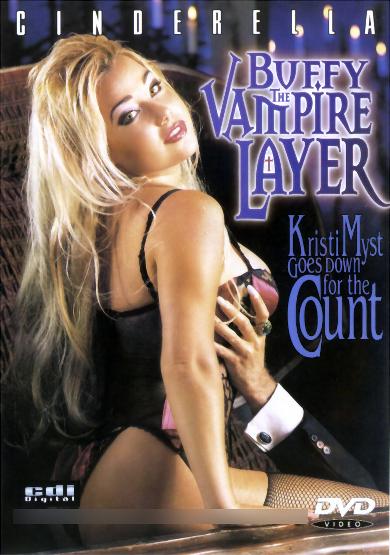
Buffy menyajikan kisah gadis remaja yang ternyata ditakdirkan untuk menjadi pembasmi vampir. Di tengah kesibukan dan juga problematikannya sebagai gadis remaja, Buffy harus melenyapkan para vampir yang ternyata berkeliaran di sekitarnya. Itulah inti film BUFFY THE VAMPIRE SLAYER.
Lantas bagaimana dengan plesetannya, BUFFY THE VAMPIRE LAYER? Dengan tokoh utamanya yang seksi dan berwajah sensual, sepertinya Buffy lebih tertarik bercinta dengan para vampir alih-alih membasminya.

Komedi horor THE GHOSTBUSTER menjadi tontonan menarik di tahun 1984 dengan kisah hantu yang tak hanya menakutkan namun juga unik. THE GHOSTBUSTER menyajikan terobosan baru kisah hantu dengan para penangkap hantu yang puny alat khusus untuk menjaring hantu ke dalam kotak mekanik.
Salah satu yang paling ikonik dari kisah ini adalah posternya yang menampilkan rambu "hantu dilarang masuk". Kini dengan versi pornonya, hantu tersebut menjadi sosok hantu yang seksi dan menggoda. Apakah berarti nanti para pembasmi hantunya akan bercinta dengan para hantu seksi?

Tom Cruise pernah berjaya saat berperan dalam film TOP GUNS dengan soundtracknya yang terkenal Take My Breath Away. Film drama romantis ini membuat Cruise dikenal lewat kacamata ray-band hitamnya sebagai seorang pilot.
Setelah dipoles menjadi film porno, tak ada lagi tokoh berkarisma seperti Tom Cruise. Yang ada hanyalah para aktris porno berbusana minim yang berpose menggoda.

Film animasi seperti THE SIMPONS sekalipun tak luput dari insting para produser film porno. Tak bisa dibayangkan tokoh pria gendut botak dan juga wanita berambut panjang berwarna biru melakoni adegan seks. Tak hanya itu, tubuh para pemerannnya semua dicat dalam warna kuning. Tampaknya industri film porno akan terus melakukan terobosan mengejutkan demi menarik banyak konsumen.
Untuk menarik lebih banyak konsumen akan produk mereka, industri film porno Hollywood selalu berkreasi memplesetkan film blockbuster untuk dibuat versi nakalnya! Bukan hanya sekadar judul yang diplesetkan, namun setiap detil atau ciri khas dari film Blockbuster tersebut dimasukkan ke dalam film porno tersebut. Ambil contoh film porno THE SIMPSONS XXX yang menampilkan para aktornya dicat dalam warna kuning seluruhnya.
Sejatinya ada banyak sekali judul plesetan yang diproduksi setiap tahunnya. Artikel ini hanya menunjukkan beberapa judul film laris Hollywood yang "apes" diplesetkan jadi film porno.
1. THE SEX FILES
THE X-FILESpernah menjadi serial drama fiksi ilmiah horor terlaris di Amerika Serikat dan punya masa tayang yang lama, yakni tahun 1993 sampai 2002. Serial ini mengangkat kisah dua agen FBI, Mulder dan Scully, dalam menyelidiki kasus tak terpecahkan yang berhububungan dengan alien dan hal paranormal.
Imej di atas langsung runtuh saat parodinya dibuat dengan menempatkan kata "Sex" menggantikan kata "X". Sudah bisa ditebak bahwa nantinya film ini akan bercerita tentang kasus seks yang aneh-aneh.
2. BATMAN XXX
Kalau film seperti THE X-FILES yang segmented saja diplesetkan, apalagi film superhero yang populer seperti BATMAN. Film BATMAN XXX ini memparodikan kisah petualangan Batman di era 1960-an dengan bumbu-bumbu adegan seks yang diselipkan di sana-sini.
Para pemainnya pun mengenakan kostum yang persis sama seperti BATMAN di era 60-an, termasuk sang tokoh jahat seperti Joker, Catwoman, dan The Riddler.
3. THIS AIN'T AVATAR XXX
Produser film porno ternyata punya ide untuk membawa fantasi seksual para penonton ke planet Pandora, di mana para makhluk biru Navi tinggal. Menyadur penuh karya James Cameron yang menjadi film terlaris sepanjang masa tersebut, versi parodi ini sayangnya tak dibuat dalam CGI mewah. Para pemainnya dirias layaknya makhluk navi lengkap dengan kuping lancipnya.
4. WOMB RAIDER
Angelina Jolie sukses memerankan sosok Lara Croft dalam film adaptasi game populer TOMB RAIDER. Ia bisa menjelma menjadi pemburu benda bersejarah yang tak hanya cantik dan seksi namun juga tangkas dan piawai berakrobat. Sosok yang demikian ternyata menarik minat para produser untuk membuat film WOMB RAIDER(Pembongkar Janin). Sudah jelas bukan akan seperti apa kisah dalam filmnya nanti.
5. THE A-TEAM XXX
Ingat dengan tokoh-tokoh ini, H. M. Murdock, B. A. Baracus, Hannibal Smith and Templeton "Faceman" Peck? Yup... mereka adalah para veteran satuan khusus yang kini bekerja sebagai tentara bayaran. Aksi keempatnya dengan kemampuannya masing-masing selalu menarik untuk diikuti. Film layar lebarnya baru saja dirilis tahun 2010 lalu.
Produser film porno pun punya akal untuk menambah satu karakter wanita yang seksi untuk ikut dalam aksi petualangan mereka berempat, termasuk petualangan di atas ranjang.
6. CHARLIE'S ANGELS XXX
CHARLIE'S ANGELS punya racikan elemen yang pas sebagai tontonan yang menghibur. Tiga agen cantik dan petualangan seru menjadi elemen kuat yang membuat serial TV ini akhirnya dibuat versi layar lebarnya dengan bintang papan atas Hollywood, Drew Barrymore, Cameron Diaz, dan Lucy Liu.
Dengan elemen yang demikian tentunya bukan hal yang sulit bagi produser film porno untuk menyewa tiga aktor seksi untuk bergaya ala agen yang nantinya harus menuntaskan misi besar sampai misi pribadi di dalam kamar.
7. JAMES BOND: OCTOPUSSY
Film James Bond sudah sejak lama selalu menyertakan adegan seks dalam setiap filmnya. Produser film porno pun punya ide untuk memperbanyak porsi tersebut. Dan untuk judulnya, dipilihlah yang paling nakal, OCTOPUSSY. Dari posternya saja sudah ketahuan seperti apa nanti filmnya. Coba perhatikan gambar tangan yang mencengkeran selangkangan Bond tersebut!
8. BUFFY THE VAMPIRE LAYER
Buffy menyajikan kisah gadis remaja yang ternyata ditakdirkan untuk menjadi pembasmi vampir. Di tengah kesibukan dan juga problematikannya sebagai gadis remaja, Buffy harus melenyapkan para vampir yang ternyata berkeliaran di sekitarnya. Itulah inti film BUFFY THE VAMPIRE SLAYER.
Lantas bagaimana dengan plesetannya, BUFFY THE VAMPIRE LAYER? Dengan tokoh utamanya yang seksi dan berwajah sensual, sepertinya Buffy lebih tertarik bercinta dengan para vampir alih-alih membasminya.
9. SEXBUSTER
Komedi horor THE GHOSTBUSTER menjadi tontonan menarik di tahun 1984 dengan kisah hantu yang tak hanya menakutkan namun juga unik. THE GHOSTBUSTER menyajikan terobosan baru kisah hantu dengan para penangkap hantu yang puny alat khusus untuk menjaring hantu ke dalam kotak mekanik.
Salah satu yang paling ikonik dari kisah ini adalah posternya yang menampilkan rambu "hantu dilarang masuk". Kini dengan versi pornonya, hantu tersebut menjadi sosok hantu yang seksi dan menggoda. Apakah berarti nanti para pembasmi hantunya akan bercinta dengan para hantu seksi?
10. TOP GUNS
Tom Cruise pernah berjaya saat berperan dalam film TOP GUNS dengan soundtracknya yang terkenal Take My Breath Away. Film drama romantis ini membuat Cruise dikenal lewat kacamata ray-band hitamnya sebagai seorang pilot.
Setelah dipoles menjadi film porno, tak ada lagi tokoh berkarisma seperti Tom Cruise. Yang ada hanyalah para aktris porno berbusana minim yang berpose menggoda.
11. SIMPSONS THE XXX PARODY
Film animasi seperti THE SIMPONS sekalipun tak luput dari insting para produser film porno. Tak bisa dibayangkan tokoh pria gendut botak dan juga wanita berambut panjang berwarna biru melakoni adegan seks. Tak hanya itu, tubuh para pemerannnya semua dicat dalam warna kuning. Tampaknya industri film porno akan terus melakukan terobosan mengejutkan demi menarik banyak konsumen.
10 Bencana Fashion Paling Mengerikan di Hollywood
Tak selamanya fashion yang ditampilkan bintang Hollywood bakal jadi panutan. Beberapa di antaranya malah dianggap sebagai bencana fashion yang sangat mengerikan.
Berdasarkan polling yang dilakukan oleh Daily Mail, ada 10 fashion artis papan atas yang dianggap merusak dunia fashion. Siapa sangka bahwa nama-nama seperti Victoria Beckham dan Lady Gaga ternyata masuk dalam daftar ini.Selain mereka, siapa lagi sih artis Hollywood yang dianggap sebagai bencana fashion. Mengapa pula mereka dianggap merusak fashion? Cari tahu jawabannya di sini!
10. Kostum West Ham - Katy Perry

Ajang MTV Europe Awards 2009 benar-benar jadi saksi keseksian Katy Perry. Bagaimana tidak, dia mengenakan lingerie ala West Ham ini saat tampil di depan penonton.
Sayangnya, tak banyak yang terkesan dengan penampilan ini. 1% pembaca malah tak ragu menyebut pelantun tembang Firework ini sebagai bencana fashion.
9. Red Leather - Kanye West

Semua orang mengakui bahwa Kanye West adalah desainer yang cukup sukses. Namun herannya, banyak sekali selera fashionnya yang dihujat oleh dunia.
Salah satu bencana yang diakibatkannya adalah setelan warna merah yang dikenakannya di ajang MTV VMA 2010 ini. 2% pembaca sepakat warna itu sangat norak dan tak cocok untuk kulitnya.
8. Simon Cowell dan Semua Pakaiannya

Entah bagaimana, selalu saja ada hal yang membuat fashion Simon Cowell dihujat. Salah satunya mungkin gaya celana kepanjangan yang dikenakannya ini.
Suatu hari, kamera paparazzi merekam bahwa bagian bawah celananya sudah terkoyak parah. Minus ini sepertinya sudah cukup bagi 4% pembaca untuk melempar Simon ke peringkat delapan.
7. Split Dress - Angelina Jolie

Dunia mungkin takkan bisa melupakan pose tak biasa yang ditampilkan Angelina Jolie saat perhelatan Oscar 2012 ini. Bagaimana tidak, kekasih Brad Pitt ini tak hentinya memamerkan paha dengan pose yang 'tidak alami'.
Pose ini sempat jadi cemoohan dan guyonan dunia. Tak heran jika 5% pembaca tak ragu menyebutnya bencana fashion, dan membawanya pada peringkat ketujuh.
6. Baju Pink Tulisa Contostavlos

Juri X FACTOR ini mungkin terlihat eye-catching dengan gaun merah muda yang sangat nge-jreng ini. Sayangnya, hampir tidak ada orang yang terkesan dengan gaun tersebut.
Alhasil, 9% pembaca Daily Mail tanpa ragu 'melemparkannya' ke daftar Artis Pembawa Bencana Fashion. Mungkin, 'pink swan' ingin menyaingi Natalie Portman, yang dikenal karena film BLACK SWAN. :)
5. Nicki Minaj dan Semua Bajunya

Tiada hari tanpa eksperimen. Itulah kata-kata yang tepat untuk Nicki Minaj. Parahnya, penampilannya yang selalu 'cerah-ceria' itu malah semakin membuatnya dihujat.
10% persen pembaca Daily Mail sepakat bahwa semua yang ditampilkan Nicki Minaj norak, dan tak lebih dari musibah fashion. Tapi harus kita akui bahwa penampilan unik itu justru membuatnya makin dikenal.
4. Kim Kardashian dan Semua Bajunya

Selera fashion wanita yang satu ini memang selalu jadi sorotan. Parahnya, sorotan publik pada Kim Kardashian lebih banyak berbentuk hujatan ketimbang pujian.
Herannya, bintang KEEPING UP WITH KARDASHIANS ini tetap saja eksis dengan bisnis fashionnya. Walau banyak yang menghujat, ternyata banyak juga yang diam-diam mengagumi selera aneh bintang ini. Well, 14% for you to reach the fourth, Kim!
3. Baju Daging - Lady Gaga

Sejak awal, baju yang dikenakan Lady Gaga ini memang kontroversial. Walau sempat menuai pujian, namun baju daging ini akhirnya harus berakhir sebagai bencana fashion.
16% persen pembaca telah melemparkan Gaga pada peringkat ketiga bencana fashion. Padahal kita tahu bahwa masih banyak gaun aneh lain yang juga sempat dikenakan pelantun Born This Way ini.
2. Cornrow - David Beckham

David Beckham masuk dalam daftar bencana fashion? Percayalah bahwa ini nyata. Bintang lapangan hijau dianggap sebagai petaka lantaran menampilkan gaya rambut cornrow di masa mudanya.
Sebanyak 19% pembaca Daily Mail pun sepakat bahwa dia layak masuk peringkat dua daftar ini. Walaupun banyak yang menghujat, entah bagaimana masih ada saja yang mengikuti gayanya. Itulah manusia, ada kekaguman di balik hujatan.
1. 'Lip Ring' - Victoria Beckham

Masa-masa bergabung di Spice Girls sepertinya memang jadi jaman Jahilliyah Victoria Beckham. Penampilannya saat itu memang sering dianggap aneh dan bikin geleng-geleng kepala.
Salah satu bencana yang diperbuat istri David Beckham ini adalah lip ring yang dikenakannya saat konser. Lantaran dianggap konyol, gaya Victoria ini sempat jadi olok-olokan publik.
'Prestasi' inilah yang akhirnya membawanya peringkat satu Artis Pembawa Bencana Fashion. Bermodalkan jumlah suara 20%, dia layak menjadi ratu dalam daftar ini.
Coba Tebak, Siapa 7 Musisi Yang Jadi Inspirasi Spesies Ini?
Tidak banyak yang bisa menduga hubungan dekat antara musik dengan ilmu pengetahuan. Well, bagaimana kalau begini.
Sekelompok peneliti menemukan seekor spesies baru, belum punya nama. Peneliti itu sangat suka dengan Beyonce, misalnya. Maka dia memberi nama spesies tersebut dengan sesuatu yang mengingatkannya pada Beyonce.
Lucu juga, ya. Bisakah kamu menebak siapa nama musisi yang jadi inspirasi peneliti, hanya dari namanya saja? Ayo coba!

Petunjuk: Dia pernah bergabung dengan sebuah grup vokal wanita. Karirnya melesat setelah berpisah dengan dua rekannya. Dia menikahi seorang rapper dan produser terkenal, dan baru saja punya seorang anak perempuan. Baru-baru ini, dia tampil di acara Super Bowl.

Petunjuk: Seorang pria yang menjadi ikon rock and roll dari Tennessee, Amerika, sering disebut King of Rock and Roll. Penampilannya selalu flamboyan dengan lagu-lagu cinta mendayu dan jambul yang dipuja wanita.

Petunjuk: Seorang pria yang adalah vokalis band rock dari Inggris yang mengguncang dunia dengan lagu Bohemian Rhapsody. Pria ini meninggal karena terserang penyakit AIDS.

Petunjuk: Penyanyi pria ini berasal dari Inggris. Dia juga seorang bassist, aktor dan praktisi yoga. Musiknya meliputi banyak genre, dan, ehem, dia baru saja menggelar konser di Jakarta bulan Desember 2012 lalu dengan tajuk Back to Bass.

Petunjuk: Vokalis band yang cukup veteran dari Irlandia, terkenal vokal menyuarakan pendapatnya mengenai perang dan peduli terhadap kondisi dunia. Kacamata menjadi ciri khas pria klimis ini.

Petunjuk: Penyanyi solo wanita yang namanya meledak dalam beberapa tahun terakhir. Dikenal berkat gaya busananya yang begitu kontroversial, wanita muda ini pun ditolak menggelar konser di Jakarta pada 2012 lalu.

Petunjuk: Seorang penyanyi pria yang dikenal cinta kedamaian, dikenal dengan rambut dreadlock dan warna merah-kuning-hijau.
Sekelompok peneliti menemukan seekor spesies baru, belum punya nama. Peneliti itu sangat suka dengan Beyonce, misalnya. Maka dia memberi nama spesies tersebut dengan sesuatu yang mengingatkannya pada Beyonce.
Lucu juga, ya. Bisakah kamu menebak siapa nama musisi yang jadi inspirasi peneliti, hanya dari namanya saja? Ayo coba!
1. Scaptia beyonceae
Petunjuk: Dia pernah bergabung dengan sebuah grup vokal wanita. Karirnya melesat setelah berpisah dengan dua rekannya. Dia menikahi seorang rapper dan produser terkenal, dan baru saja punya seorang anak perempuan. Baru-baru ini, dia tampil di acara Super Bowl.
2. Preseucoila imallshookupis
Petunjuk: Seorang pria yang menjadi ikon rock and roll dari Tennessee, Amerika, sering disebut King of Rock and Roll. Penampilannya selalu flamboyan dengan lagu-lagu cinta mendayu dan jambul yang dipuja wanita.
3. Cirolana mercuryi
Petunjuk: Seorang pria yang adalah vokalis band rock dari Inggris yang mengguncang dunia dengan lagu Bohemian Rhapsody. Pria ini meninggal karena terserang penyakit AIDS.
4. Hyla stingi
Petunjuk: Penyanyi pria ini berasal dari Inggris. Dia juga seorang bassist, aktor dan praktisi yoga. Musiknya meliputi banyak genre, dan, ehem, dia baru saja menggelar konser di Jakarta bulan Desember 2012 lalu dengan tajuk Back to Bass.
5. Aptostichus bonoi
Petunjuk: Vokalis band yang cukup veteran dari Irlandia, terkenal vokal menyuarakan pendapatnya mengenai perang dan peduli terhadap kondisi dunia. Kacamata menjadi ciri khas pria klimis ini.
6. Aleiodes gaga
Petunjuk: Penyanyi solo wanita yang namanya meledak dalam beberapa tahun terakhir. Dikenal berkat gaya busananya yang begitu kontroversial, wanita muda ini pun ditolak menggelar konser di Jakarta pada 2012 lalu.
7. Gnathia marly
Petunjuk: Seorang penyanyi pria yang dikenal cinta kedamaian, dikenal dengan rambut dreadlock dan warna merah-kuning-hijau.
10 Artis Hollywood Ini Dituduh Melakukan Perkosaan
Dunia Hollywood memang sering dikaitkan dengan kehidupan seks yang bebas. Namun demikian, tak selamanya perilaku itu diterima oleh masyarakat.
Sejumlah bintang Hollywood pernah terlibat masalah karena dituduh telah melakukan perkosaan. Beberapa orang mengakui perbuatannya, namun ada pula yang mati-matian menyangkal.
Siapa saja bintang Hollywood yang pernah dituduh melakukan pelecehan seksual. Bagaimana pula kasus mereka? Simak jawabannya dalam ulasan berikut ini!

Perilaku seksual John Travolta memang selalu jadi perhatian publik. Selain diduga sebagai gay, John juga pernah dituduh melakukan pelecehan seksual (yang parahnya) terhadap sesama pria.
Kasus ini mencuat pada Mei 2012 lalu. Seorang tukang pijat mengaku pernah mendapat perlakuan tidan senonoh dari bintang THE GREASE ini. Korban lain pun bermunculan, sehingga muncul dugaan bahwa korban John berjumlah 100 orang. Namun pada akhirnya, kasus ini tenggelam dengan sendirinya.

Ternyata bukan hanya pria saja yang bisa melakukan tindak pelecehan seksual. Buktinya, seorang pria bernama Fernando Glores pernah mengkaim bahwa dirinya pernah menjadi korban pelecehan yang dilakukan oleh Britney Spears.
Pria yang ternyata mantan pegawai Britney itu mengajukan tuntutan pada tahun 2010. Dia mengaku dipaksa melayani keinginan sang bintang, dan dianca akan dipecat jika tidak melakukannya. Akhirnya, dia memilih untuk berhenti. Namun benar tidaknya tuduhan ini masih jadi tanda tanya.

Oktober 2003, enam wanita memberikan kesaksian bahwa Arnold Schwarzenegger telah melakukan tindakan tidak menyenangkan pada mereka. Bintang TERMINATOR itu berusaha menyentuh mereka dengan cara yang menurut mereka menjijikkan.
Tahun 2005, seorang wartawati Inggris mengajukan tuntutan karena aktor tersebut telah meraba payudara sang wartawati. Well, tak heran jika dia sampai berselingkuh dengan 14 wanita saat masih menjalin hubungan dengan Maria Shriver.

Tahun 2005, mendiang Michael Jackson dituduh telah melakukan pelecehan seksual pada anak-anak. Salah satu korbannya adalah anak laki-laki berusia 13 tahun yang kerap datang ke istananya, Neverland Ranch.
King of Pop diduga memberikan minuman beralkohol pada anak-anak yang datang ke rumahnya. Setelah itu, Michael meniduri dan melakukan perbuatan tak pantas. Namun sang bintang menyangkal telah melakukan semua itu. Namun sekali lagi, benar tidaknya kisah ini masih jadi misteri.

Sejak kecil, petinju yang satu ini memang dikenal liar dan suka berkelahi. Namun justru hobinya berkelahi itulah yang membuatnya berhasil menjadi jawara tinju tingkat dunia.
Sayangnya, semua berubah. 27 Januari 1992., dia dinyatakan bersalah atas tuduhan perkosaan yang menimpa kontestan Miss Black America, Desiree Washington. Perkosaan yang terjadi pada 10 Februari 1991 itu akhirnya membuatnya mendekam tiga tahun di penjara.
Belakangan, dia juga sempat mengakui bahwa dia sempat menghamili salah satu petugas penjara Indiana, tempatnya mendekam. Namun, wanita tersebut telah menggugurkan bayi hasil hubungannya Mike.

Agustus 2012, mentor THE VOICE ini harus menghadapi gugatan pelecehan seksual. Seorang wanita Los Angeles mengaku telah menjadi korban tindakan tidak pantas yang dilakukan oleh Cee Lo Green.
Namun sumber dekat sang bintang mengungkapkan bahwa berita dan tuduhan itu sama sekali tidak benar. Pada akhirnya kasus ini tenggelam dengan sendirinya.

Kasus perkosaan yang dilakukan pebasket Kobe Bryant mulai terungkap pada uli 2003. Seorang wanita 19 tahun mengaku telah diperkosa oleh sang bintang pada 1 Juli 2003 di sebuah kamar hotel. Korban tak lain adalah pegawai yang saat itu sedang melakukan tugasnya di ruangan Kobe.
Kasus ini sempat berbuntut panjang. Akhirnya, Kobe mengakui dirinya telah melakukan tindakan yang bersifat 'dewasa', namun dia bersikukuh bahwa dia tak melakukan penyerangan seksual.

Tuduhan ini mungkin takkan ada artinya bagi Jimmy Savile. Pasalnya, fakta ini baru terkuak setelah bintang televisi ini meninggal dunia pada bulan Oktober 2012 lalu.
Kasus ini memang masih dugaan, dan belum dibuktikan kebenarannya. Semua berawal dari pengakuan seorang wanita yang mengaku pernah dilecehkan secara seksual oleh salah satu public figure ternama.
Bintang tersebut dikatakan melakukan tindak perkosaan saat korban sedang terbaring di rumah sakit. Walau bukti-bukti mengarah pada pria yang meninggal di usia 84 tahun tersebut, namun belum tentu yang dimaksud korban adalah Jimmy Savile.
 Tuduhan perkosaan harus dihadapi sutradara kenamaan ini pada tahun 2003. Dia dituduh telah melakukan perbuatan tidak pantas pada Samantha Geimer yang saat itu masih berusia 13 tahun.
Menurut penuturan Geimer pada tahun 2003, Roman Polanski mulai mencium hal yang tidak beres saat pemotretan pertama kali pada tahun 1977. Roman yang saat itu masih berusia 43 tahun meminta Geimer untuk berpose bertelanjang dada.
Saat pemotretan kedua, Roman memberikan campuran sampanye dan quaaludes pada Geimer, dan mulai bertingkah tidak senonoh. Setelah berkali-kali menolak, akhirnya korban tak kuasa menahan paksaan Roman.
Sejumlah bintang Hollywood pernah terlibat masalah karena dituduh telah melakukan perkosaan. Beberapa orang mengakui perbuatannya, namun ada pula yang mati-matian menyangkal.
Siapa saja bintang Hollywood yang pernah dituduh melakukan pelecehan seksual. Bagaimana pula kasus mereka? Simak jawabannya dalam ulasan berikut ini!
1. John Travolta
Perilaku seksual John Travolta memang selalu jadi perhatian publik. Selain diduga sebagai gay, John juga pernah dituduh melakukan pelecehan seksual (yang parahnya) terhadap sesama pria.
Kasus ini mencuat pada Mei 2012 lalu. Seorang tukang pijat mengaku pernah mendapat perlakuan tidan senonoh dari bintang THE GREASE ini. Korban lain pun bermunculan, sehingga muncul dugaan bahwa korban John berjumlah 100 orang. Namun pada akhirnya, kasus ini tenggelam dengan sendirinya.
2. Britney Spears
Ternyata bukan hanya pria saja yang bisa melakukan tindak pelecehan seksual. Buktinya, seorang pria bernama Fernando Glores pernah mengkaim bahwa dirinya pernah menjadi korban pelecehan yang dilakukan oleh Britney Spears.
Pria yang ternyata mantan pegawai Britney itu mengajukan tuntutan pada tahun 2010. Dia mengaku dipaksa melayani keinginan sang bintang, dan dianca akan dipecat jika tidak melakukannya. Akhirnya, dia memilih untuk berhenti. Namun benar tidaknya tuduhan ini masih jadi tanda tanya.
3. Arnold Schwarzenegger
Oktober 2003, enam wanita memberikan kesaksian bahwa Arnold Schwarzenegger telah melakukan tindakan tidak menyenangkan pada mereka. Bintang TERMINATOR itu berusaha menyentuh mereka dengan cara yang menurut mereka menjijikkan.
Tahun 2005, seorang wartawati Inggris mengajukan tuntutan karena aktor tersebut telah meraba payudara sang wartawati. Well, tak heran jika dia sampai berselingkuh dengan 14 wanita saat masih menjalin hubungan dengan Maria Shriver.
4. Michael Jackson
Tahun 2005, mendiang Michael Jackson dituduh telah melakukan pelecehan seksual pada anak-anak. Salah satu korbannya adalah anak laki-laki berusia 13 tahun yang kerap datang ke istananya, Neverland Ranch.
King of Pop diduga memberikan minuman beralkohol pada anak-anak yang datang ke rumahnya. Setelah itu, Michael meniduri dan melakukan perbuatan tak pantas. Namun sang bintang menyangkal telah melakukan semua itu. Namun sekali lagi, benar tidaknya kisah ini masih jadi misteri.
5. Mike Tyson
Sejak kecil, petinju yang satu ini memang dikenal liar dan suka berkelahi. Namun justru hobinya berkelahi itulah yang membuatnya berhasil menjadi jawara tinju tingkat dunia.
Sayangnya, semua berubah. 27 Januari 1992., dia dinyatakan bersalah atas tuduhan perkosaan yang menimpa kontestan Miss Black America, Desiree Washington. Perkosaan yang terjadi pada 10 Februari 1991 itu akhirnya membuatnya mendekam tiga tahun di penjara.
Belakangan, dia juga sempat mengakui bahwa dia sempat menghamili salah satu petugas penjara Indiana, tempatnya mendekam. Namun, wanita tersebut telah menggugurkan bayi hasil hubungannya Mike.
6. Cee Lo Green
Agustus 2012, mentor THE VOICE ini harus menghadapi gugatan pelecehan seksual. Seorang wanita Los Angeles mengaku telah menjadi korban tindakan tidak pantas yang dilakukan oleh Cee Lo Green.
Namun sumber dekat sang bintang mengungkapkan bahwa berita dan tuduhan itu sama sekali tidak benar. Pada akhirnya kasus ini tenggelam dengan sendirinya.
7. Woody Allen

Tahun 1992, dia dituduh melakukan pelecehan seksual pada bocah enam tahun, yang tak lain adalah anak yang dia adopsi bersama sang istri, Mia Farrow. Namun dengan tegas dia membantah tuduhan tersebut lewat pernyataan yang secara resmi dia sampaikan pada publik.8. Kobe Bryant
Kasus perkosaan yang dilakukan pebasket Kobe Bryant mulai terungkap pada uli 2003. Seorang wanita 19 tahun mengaku telah diperkosa oleh sang bintang pada 1 Juli 2003 di sebuah kamar hotel. Korban tak lain adalah pegawai yang saat itu sedang melakukan tugasnya di ruangan Kobe.
Kasus ini sempat berbuntut panjang. Akhirnya, Kobe mengakui dirinya telah melakukan tindakan yang bersifat 'dewasa', namun dia bersikukuh bahwa dia tak melakukan penyerangan seksual.
9. Jimmy Savile
Tuduhan ini mungkin takkan ada artinya bagi Jimmy Savile. Pasalnya, fakta ini baru terkuak setelah bintang televisi ini meninggal dunia pada bulan Oktober 2012 lalu.
Kasus ini memang masih dugaan, dan belum dibuktikan kebenarannya. Semua berawal dari pengakuan seorang wanita yang mengaku pernah dilecehkan secara seksual oleh salah satu public figure ternama.
Bintang tersebut dikatakan melakukan tindak perkosaan saat korban sedang terbaring di rumah sakit. Walau bukti-bukti mengarah pada pria yang meninggal di usia 84 tahun tersebut, namun belum tentu yang dimaksud korban adalah Jimmy Savile.
10. Roman Polanski
Tuduhan perkosaan harus dihadapi sutradara kenamaan ini pada tahun 2003. Dia dituduh telah melakukan perbuatan tidak pantas pada Samantha Geimer yang saat itu masih berusia 13 tahun.Menurut penuturan Geimer pada tahun 2003, Roman Polanski mulai mencium hal yang tidak beres saat pemotretan pertama kali pada tahun 1977. Roman yang saat itu masih berusia 43 tahun meminta Geimer untuk berpose bertelanjang dada.
Saat pemotretan kedua, Roman memberikan campuran sampanye dan quaaludes pada Geimer, dan mulai bertingkah tidak senonoh. Setelah berkali-kali menolak, akhirnya korban tak kuasa menahan paksaan Roman.
11 Ketidakadilan Mengejutkan di Ajang Oscar
Selama 85 tahun penyelenggaraannya, Oscar tak bisa lepas dari yang namanya kejutan dan kontroversi. Tak jarang pula para juri Academy melewatkan aktor, aktris, sutradara, dan film yang benar-benar bagus untuk kemudian memberi kemenangan kepada yang sebetulnya tak terlalu bagus.
Kejutan-kejutan tersebut dianggap tidak adil oleh banyak pihak. Protes dan ketidakpuasan langsung muncul mengikuti beberapa keputusan Oscar yang memang dirasa aneh. Apa lacur, pemenang sudah dibacakan dan keputusan tak bisa dicabut.
Ketidakadilan tersebut sempat dirasakan oleh INDIANA JONES: RAIDER OF THE LOST ARK yang dirasa unggul dari sisi orisinalitas cerita dan terobosan visual yang mewah harus menyerah kalah dari CHARIOT OF FIRE. Masih terbayang pula bagaimana kisah drama koboi gay yang sarat drama BROKEBACK MOUNTAIN harus merelakan CRASH menang sebagai Film Terbaik di tahun 2006.
Simak daftar bagian pertama 22 ketidakadilan yang pernah terjadi di Oscar.
 Yang seharusnya menang: Edward Norton (AMERICAN HISTORY X)
Yang ternyata menang: Roberto Benigni (LIFE IS BEAUTIFUL)
Edward Norton hanya bisa diam memandang lawannya Roberto Benigni maju ke podium Oscar saat namanya dibacakan oleh Helen Hunt sebagai Aktor Terbaik 1999. Dua peran yang bersanding dalam satu kategori ini terbilang unik. Keduanya sama-sama berkaitan dengan Nazi. Agaknya peran Benigni dalam LIFE IS BEAUTIFUL lebih memenangkan hati para juri Academy daripada peran Norton dalam AMERICAN HISTORY X.
Norton tampil keras dan kasar sebagai skinhead pemuja Nazi agaknya kurang disukai juri Oscar terlepas ia tampil sempurna sebagai seorang aktor pada tahun ini. Sedangkan Benigni yang berperan sebagai korban Nazi lebih pandai mencuri hati penontonnya.
 Yang seharusnya menang: TOP HAT
Yang ternyata menang: MUTINY ON THE BOUNTY
Oscar nampaknya suka dengan film petualangan di atas kapal (Ingat TITANIC?) seperti MUTINY ON THE BOUNTY ini. Film ini jelas jauh dari kategori terbaik sebab dalam sejarah Oscar, film ini satu-satunya yang menang Film Terbaik tanpa menang di kategori pendukung lainnya. Film sejarah TOP HAT yang dibuat dengan begitu serius dan akurat malah tak dimenangkan. Dua korban jiwa yang terjadi selama syuting TOP HAT pun pasti menangis dari alam baka karena ketidakadilan ini.

Yang seharusnya menang: LA GRANDE ILLUSION
Yang ternyata menang: YOU CAN'T TAKE IT WITH YOU
Film berbahasa asing susah untuk merebut suara para juri Oscar meski film tersebut sejatinya berkualitas sangat bagus. Hal tersebut terjadi di tahun 1938 saat film klasik GRAND ILLUSION yang berkisah tentang para tahanan penjara ini ikut serta dalam ajang Oscar. Yang menang nyatanya adalah YOU CAN'T TAKE IT WITH YOU karya Frank Capra yang bertema lebih pop daripada saingannya yang lain. Banyak pihak lantar berargumen bahwa film Capra satu ini bukanlah filmnya yang terbaik, tapi Oscar nyatanya berkata lain.
 Yang seharusnya menang: THE WIZARD OF OZ
Yang ternyata menang: GONE WITH THE WIND
Tahun 1940 menjadi tahun yang paling ketat atmosfir kompetisinya dibandingkan tahun-tahun yang lain. Pada tahun ini nama Victor Fleming menjadi yang paling disorot lantaran dua filmnya, THE WIZARD OF OZ dan juga GONE WITH THE WIND sama-sama dinominasikan untuk Film Terbaik. Keduanya digarap dengan begitu apik dan megah sehingga susah untuk memilih mana yang lebih baik. Jika dipikir lebih matang, OZ lebih layak menang lantaran membawa dunia fantasi anak ke dalam layar lebar di mana di dalamnya juga terkandung konflik gelap.

Yang seharusnya menang: THE RED SHOES
Yang ternyata menang: HAMLET
Film Inggris THE RED SHOES garapan Powell and Pressburger secara lengkap memuat permasalahan hidup dalam sebuah film yang apik. Film ini membahas tentang obsesi, cinta, musik, penderitaan, dan juga tekanan hidup. HAMLET yang akhirnya menang jadi Film Terbaik adalah adaptasi karya Shakespeare yang juga bagus, namun tak sebagus THE RED SHOES. Ketidakadilan ini menjadi penegas bahwa film produksi selain Hollywood (Amerika) susah menang Oscar.

Yang seharusnya menang: Grace Kelly (COUNTRY GIRL)
Yang ternyata menang: Judy Garland (A STAR IS BORN)
Judy Garland bermain total sebagai Esther Blodgett, seorang penyanyi yang berjuang keras untuk tetap tampil menawan di mata penggemarnya. Tak hanya itu, persaingan ketat dengan penyanyi lain membuatnya harus bekerja sangat keras dalam membuat setiap pertunjukannya berjalan bagus. Garland dinilai kritikus sebagai satu-satunya aktris yang aktingnya mampu menghidupkan sosok Esther yang kompleks. Pada saat nama pemenang Aktris Terbaik 1955 dibacakan, namanya juri Oscar tak menganggap akting Garland sebagai yang terbaik.

Yang seharusnya menang: SINGING IN THE RAIN
Yang ternyata menang: THE GREATEST SHOW ON EARTH
Tahun 1952 adalah tahun ketatnya persaingan antara film musikal SINGING IN THE RAIN dan film western arahan Fred Zinnemman. Mendekati pelaksanaan Oscar, banyak yang menduga bahwa satu di antara kedua film tersebut lah yang nanti akan menjadi Film Terbaik Oscar 1953. Tapi siapa sangka, secara tak diduga film THE GREATEST SHOW ON EARTH muncul sebagai pemenangnya. Film yang dibintangi oleh hewan asli sirkus tersebut melenggang manis menjadi Film Terbaik.

Yang seharusnya menang: THE SEARCHERS
Yang ternyata menang: AROUND THE WORLD IN 80 DAYS
Sama nasibnya seperti film berbahasa asing, film western (koboi) juga jarang dilirik oleh Oscar menjadi Film Terbaik. Nasib mengenaskan tersebut dialami oleh THE SEARCHERS yang harus takluk dengan film petualangan keliling dunia penuh warna yang kurang mantap dari sisi aktingnya, AROUND THE WORLD IN 80 DAYS.

Yang seharusnya menang: Stanley Kubrick (2001: A SPACE ODYSSEY)
Yang ternyata menang: Carol Reed (OLIVER!)
Thriller di ruang angkasa A SPACE ODYSSEY adalah karya besar sutradara Stanley Kubrick semasa hidupnya. Film tersebut berhasil membuat penonton serta kritikus ternganga karena terobosan yang dilakukan Kubrick dalam film tersebut. Parahnya, saking kagumnya dengan film tersebut para juri Oscar lupa membubuhkan suara untuk film Kubrick tersebut. Jadilah Carol Reed yang keluar sebagai Sutradara Terbaik.

Yang seharusnya menang: NETWORK
Yang ternyata menang: ROCKY
ROCKY memenangkan piala Film Terbaik lantaran mampu merebut hati penonton dengan kisah perjuangan sang Rocky Balboa dalam mewujudkan impiannya menjadi petinju profesional. Tapi tunggu dulu seharusnya piala itu jatuh ke tangan NETWORK yang menelanjangi kejamnya dunia media beserta intrik-intrik di dalamnya. NETWORK akhirnya menang besar di kategori akting. Coba kalau tokoh-tokoh dalam NETWORK ditandingkan dengan tokoh-tokoh dalam ROCKY, pasti NETWORK yang menang

Yang seharusnya menang: Martin Scorsese (RAGING BULL)
Yang ternyata menang: Robert Redford (ORDINARY PEOPLE)
Sutradara Martin Scorsese telah lama dicurangi oleh juri Oscar di sepanjang karirnya. Hingga akhirnya ia menang sebagai Sutradara terbaik lewat THE DEPARTED. Gelar kehormatan tersebut harusnya didapatnya lewat film RAGING BULL yang dengan anggun memotret kisah petinju dalam bertarung di atas ring dan juga dalam kehidupan pribadinya. Lebih pahit lagi, ia harus kalah dengan Robert Redford yang baru menjalani debutnya lewat ORDINARY PEOPLE.
Kejutan-kejutan tersebut dianggap tidak adil oleh banyak pihak. Protes dan ketidakpuasan langsung muncul mengikuti beberapa keputusan Oscar yang memang dirasa aneh. Apa lacur, pemenang sudah dibacakan dan keputusan tak bisa dicabut.
Ketidakadilan tersebut sempat dirasakan oleh INDIANA JONES: RAIDER OF THE LOST ARK yang dirasa unggul dari sisi orisinalitas cerita dan terobosan visual yang mewah harus menyerah kalah dari CHARIOT OF FIRE. Masih terbayang pula bagaimana kisah drama koboi gay yang sarat drama BROKEBACK MOUNTAIN harus merelakan CRASH menang sebagai Film Terbaik di tahun 2006.
Simak daftar bagian pertama 22 ketidakadilan yang pernah terjadi di Oscar.
1. Pemenang Aktor Terbaik 1999
Yang ternyata menang: Roberto Benigni (LIFE IS BEAUTIFUL)
Edward Norton hanya bisa diam memandang lawannya Roberto Benigni maju ke podium Oscar saat namanya dibacakan oleh Helen Hunt sebagai Aktor Terbaik 1999. Dua peran yang bersanding dalam satu kategori ini terbilang unik. Keduanya sama-sama berkaitan dengan Nazi. Agaknya peran Benigni dalam LIFE IS BEAUTIFUL lebih memenangkan hati para juri Academy daripada peran Norton dalam AMERICAN HISTORY X.
Norton tampil keras dan kasar sebagai skinhead pemuja Nazi agaknya kurang disukai juri Oscar terlepas ia tampil sempurna sebagai seorang aktor pada tahun ini. Sedangkan Benigni yang berperan sebagai korban Nazi lebih pandai mencuri hati penontonnya.
2. Film Terbaik 1936
Yang ternyata menang: MUTINY ON THE BOUNTY
Oscar nampaknya suka dengan film petualangan di atas kapal (Ingat TITANIC?) seperti MUTINY ON THE BOUNTY ini. Film ini jelas jauh dari kategori terbaik sebab dalam sejarah Oscar, film ini satu-satunya yang menang Film Terbaik tanpa menang di kategori pendukung lainnya. Film sejarah TOP HAT yang dibuat dengan begitu serius dan akurat malah tak dimenangkan. Dua korban jiwa yang terjadi selama syuting TOP HAT pun pasti menangis dari alam baka karena ketidakadilan ini.
3. Film Terbaik 1938
Yang seharusnya menang: LA GRANDE ILLUSION
Yang ternyata menang: YOU CAN'T TAKE IT WITH YOU
Film berbahasa asing susah untuk merebut suara para juri Oscar meski film tersebut sejatinya berkualitas sangat bagus. Hal tersebut terjadi di tahun 1938 saat film klasik GRAND ILLUSION yang berkisah tentang para tahanan penjara ini ikut serta dalam ajang Oscar. Yang menang nyatanya adalah YOU CAN'T TAKE IT WITH YOU karya Frank Capra yang bertema lebih pop daripada saingannya yang lain. Banyak pihak lantar berargumen bahwa film Capra satu ini bukanlah filmnya yang terbaik, tapi Oscar nyatanya berkata lain.
4. Film Terbaik 1940
Yang ternyata menang: GONE WITH THE WIND
Tahun 1940 menjadi tahun yang paling ketat atmosfir kompetisinya dibandingkan tahun-tahun yang lain. Pada tahun ini nama Victor Fleming menjadi yang paling disorot lantaran dua filmnya, THE WIZARD OF OZ dan juga GONE WITH THE WIND sama-sama dinominasikan untuk Film Terbaik. Keduanya digarap dengan begitu apik dan megah sehingga susah untuk memilih mana yang lebih baik. Jika dipikir lebih matang, OZ lebih layak menang lantaran membawa dunia fantasi anak ke dalam layar lebar di mana di dalamnya juga terkandung konflik gelap.
5. Film Terbaik 1949
Yang seharusnya menang: THE RED SHOES
Yang ternyata menang: HAMLET
Film Inggris THE RED SHOES garapan Powell and Pressburger secara lengkap memuat permasalahan hidup dalam sebuah film yang apik. Film ini membahas tentang obsesi, cinta, musik, penderitaan, dan juga tekanan hidup. HAMLET yang akhirnya menang jadi Film Terbaik adalah adaptasi karya Shakespeare yang juga bagus, namun tak sebagus THE RED SHOES. Ketidakadilan ini menjadi penegas bahwa film produksi selain Hollywood (Amerika) susah menang Oscar.
6. Aktris Terbaik 1955
Yang seharusnya menang: Grace Kelly (COUNTRY GIRL)
Yang ternyata menang: Judy Garland (A STAR IS BORN)
Judy Garland bermain total sebagai Esther Blodgett, seorang penyanyi yang berjuang keras untuk tetap tampil menawan di mata penggemarnya. Tak hanya itu, persaingan ketat dengan penyanyi lain membuatnya harus bekerja sangat keras dalam membuat setiap pertunjukannya berjalan bagus. Garland dinilai kritikus sebagai satu-satunya aktris yang aktingnya mampu menghidupkan sosok Esther yang kompleks. Pada saat nama pemenang Aktris Terbaik 1955 dibacakan, namanya juri Oscar tak menganggap akting Garland sebagai yang terbaik.
7. Film Terbaik 1953
Yang seharusnya menang: SINGING IN THE RAIN
Yang ternyata menang: THE GREATEST SHOW ON EARTH
Tahun 1952 adalah tahun ketatnya persaingan antara film musikal SINGING IN THE RAIN dan film western arahan Fred Zinnemman. Mendekati pelaksanaan Oscar, banyak yang menduga bahwa satu di antara kedua film tersebut lah yang nanti akan menjadi Film Terbaik Oscar 1953. Tapi siapa sangka, secara tak diduga film THE GREATEST SHOW ON EARTH muncul sebagai pemenangnya. Film yang dibintangi oleh hewan asli sirkus tersebut melenggang manis menjadi Film Terbaik.
8. Film Terbaik 1957
Yang seharusnya menang: THE SEARCHERS
Yang ternyata menang: AROUND THE WORLD IN 80 DAYS
Sama nasibnya seperti film berbahasa asing, film western (koboi) juga jarang dilirik oleh Oscar menjadi Film Terbaik. Nasib mengenaskan tersebut dialami oleh THE SEARCHERS yang harus takluk dengan film petualangan keliling dunia penuh warna yang kurang mantap dari sisi aktingnya, AROUND THE WORLD IN 80 DAYS.
9. Sutradara Terbaik 1969
Yang seharusnya menang: Stanley Kubrick (2001: A SPACE ODYSSEY)
Yang ternyata menang: Carol Reed (OLIVER!)
Thriller di ruang angkasa A SPACE ODYSSEY adalah karya besar sutradara Stanley Kubrick semasa hidupnya. Film tersebut berhasil membuat penonton serta kritikus ternganga karena terobosan yang dilakukan Kubrick dalam film tersebut. Parahnya, saking kagumnya dengan film tersebut para juri Oscar lupa membubuhkan suara untuk film Kubrick tersebut. Jadilah Carol Reed yang keluar sebagai Sutradara Terbaik.
10. Film Terbaik 1977
Yang seharusnya menang: NETWORK
Yang ternyata menang: ROCKY
ROCKY memenangkan piala Film Terbaik lantaran mampu merebut hati penonton dengan kisah perjuangan sang Rocky Balboa dalam mewujudkan impiannya menjadi petinju profesional. Tapi tunggu dulu seharusnya piala itu jatuh ke tangan NETWORK yang menelanjangi kejamnya dunia media beserta intrik-intrik di dalamnya. NETWORK akhirnya menang besar di kategori akting. Coba kalau tokoh-tokoh dalam NETWORK ditandingkan dengan tokoh-tokoh dalam ROCKY, pasti NETWORK yang menang
11. Sutradara Terbaik 1981
Yang seharusnya menang: Martin Scorsese (RAGING BULL)
Yang ternyata menang: Robert Redford (ORDINARY PEOPLE)
Sutradara Martin Scorsese telah lama dicurangi oleh juri Oscar di sepanjang karirnya. Hingga akhirnya ia menang sebagai Sutradara terbaik lewat THE DEPARTED. Gelar kehormatan tersebut harusnya didapatnya lewat film RAGING BULL yang dengan anggun memotret kisah petinju dalam bertarung di atas ring dan juga dalam kehidupan pribadinya. Lebih pahit lagi, ia harus kalah dengan Robert Redford yang baru menjalani debutnya lewat ORDINARY PEOPLE.
7 Insiden Memalukan di Panggung Oscar
Dalam 84 tahun penyelenggaraannya, ajang Academy Awards atau yang lebih populer dikenal dengan sebutan Oscar selalu menghadirkan kejutan. Kejutan dalam hal ini bisa diartikan juga "insiden memalukan" yang membuat ajang tersebut diragukan keeleganannya.
Malam penganugerahan Oscar ke-85 tinggal menghitung hari. Tepatnya pada 24 Februari nanti, Oscar akan berlangsung di Dolby Theatre, Hollywood, Los Angeles. Bukan tidak mungkin bila hadirin dalam acara tersebut termasuk sang Host, Seth MacFarlane akan mendapati kejutan, termasuk yang tidak menyenanngkan di dalamnya.
Kejutan apa pun yang nantinya muncul dalam acara, semoga tidak memalukan seperti keenam insiden berikut ini:

Seorang penyusup berambut gondrong dan berkumis menyusup masuk dan berlari di atas panggung sembari membuat tanda "peace" dengan tangannya dalam ajang Oscar 1974
Untungnya presenter saat itu, David Niven, menyelamatkan acara dengan berkelakar, "Mungkin satu-satunya cara untuk orang itu supaya bisa tertawa adalah dengan telanjang seperti itu," ujarnya.
Apa pun alasannya, insiden tersebut telah diabadikan wartawan dan tersebar luas ke penjuru dunia.

Aktor Marlon Brando memboikot Oscar meski ia sendiri keluar sebagai penerima piala di tahun 1972. Ia memilih untuk tak menghadiri acara dan mendelegasikannya pada wanita Indian bernama Littlefeather. Wanita tersebut datang dengan mengenakan busana tradisional suku Indian Apache.
Penolakan Marlon Brando ini didasarkan pada kekecewaannya akan perfilman Hollywood yang mendiskreditkan sosok suku Indian dalam perfilman. Entah benar atau tidak, kabar beredar bahwa Littlefeather bukanlah asli suku Indian.

Sudah jadi hukum tak tertulis bahwa setiap host Oscar wajib membawakan acara dengan segar dan penuh candaan cerdas. Dari sekian banyak host Oscar, yang paling parah dalam gagal melucu adalah David Letterman. Host talk show ini berupaya untuk menggabungkan konsep acaranya dengan ajang sekelas Oscar. Hasilnya ia gagal total.
Guyonannya yang paling parah adalah ia meminta Tom Hanks membantunya menggelar karpet merah demi melakukan trik kecil untuk anjing peliharaannya. Ia nampaknya lupa bahwa seisi gedung berjalan di atas red carpet sebelumnya. Tak aneh jika mereka tersinggung akannya.

Ketika lagi Blame Canada dari film SOUTH PARK: BIGGER, LONGER, DAN UNCUT masuk jadi nominator untuk Lagu Terbaik, pelantun lagu tersebut, Matt Stone dan Trey Parker muncul dengan dandanan mengejutkan. Mereka mengenakan sepatu hak tinggi dan gaun ternama yang pernah dipakai tamu undangan Oscar tahun-tahun sebelumnya.
Tak ada yang tahan melihat Parker berjalan di atas red carpet dalam gaun hijau J-Lo sembari mempertontonkan dadanya yang berbulu.

Kelompok Rat Pack sudah sangat melegenda di Hollywood sana. Kelompok yang terdiri dari Frank Sinatra, Dean Martin, Sammy Davis, Jr., Peter Lawford, dan Joey Bishop. Lantaran dua dari mereka tak bisa hadir pada malam itu, yakni Frank dan Dean, panitia Oscar 1987 sepakat untuk mengganti mereka dengan Dom DeLuise, Pat Morita, dan Telly Savalas. Rat Pack dadakan ini dipercaya menyanyikan lagu Fugue for Tinhorns. Hasilnya tak begitu bagus dan membuat penggemar Rat Pack merasa tersinggung.

Dalam Oscar tahun 1989, Rob Lowe tampil membuka acara dengan bernyanyi bersama aktris dalam kostum Snow White. Penampilan tersebut mendapat kritik karena dirasa tak cocok ditampilkan di ajang Oscar. Namun yang paling dikritik adalah imej Rob Lowe yang terjerat kasus video seks dengan gadis berusia 16 tahun.
Hadirin tentu merasa jijik dengan penampilannya dengan sosok putri Disney tersebut. Teguran langsung datang dari beberapa aktor/aktris seperti Julie Andrews, Paul New- man yang menyatakan bahwa penampilan tersebut adalah pelecehan dari sosok Snow White yang disukai anak-anak.

Pidato kemenangan biasa dihiasi dengan ucapan terima kasih dan rasa syukur atas piala Oscar yang diperoleh. Tapi tidak untuk kasus Melissa Leo yang menang Best Supporting Actress untuk perannya dalam THE FIGHTER. Secara tak sengaja ia melontarkan kata "F**k" tepat di atas panggung Oscar yang saat itu disiarkan secara live dan ditonton jutaan orang.
Malam penganugerahan Oscar ke-85 tinggal menghitung hari. Tepatnya pada 24 Februari nanti, Oscar akan berlangsung di Dolby Theatre, Hollywood, Los Angeles. Bukan tidak mungkin bila hadirin dalam acara tersebut termasuk sang Host, Seth MacFarlane akan mendapati kejutan, termasuk yang tidak menyenanngkan di dalamnya.
Kejutan apa pun yang nantinya muncul dalam acara, semoga tidak memalukan seperti keenam insiden berikut ini:
1. Insiden Pria Bugil
Seorang penyusup berambut gondrong dan berkumis menyusup masuk dan berlari di atas panggung sembari membuat tanda "peace" dengan tangannya dalam ajang Oscar 1974
Untungnya presenter saat itu, David Niven, menyelamatkan acara dengan berkelakar, "Mungkin satu-satunya cara untuk orang itu supaya bisa tertawa adalah dengan telanjang seperti itu," ujarnya.
Apa pun alasannya, insiden tersebut telah diabadikan wartawan dan tersebar luas ke penjuru dunia.
2. Marlon Brando Memboikot Oscar
Aktor Marlon Brando memboikot Oscar meski ia sendiri keluar sebagai penerima piala di tahun 1972. Ia memilih untuk tak menghadiri acara dan mendelegasikannya pada wanita Indian bernama Littlefeather. Wanita tersebut datang dengan mengenakan busana tradisional suku Indian Apache.
Penolakan Marlon Brando ini didasarkan pada kekecewaannya akan perfilman Hollywood yang mendiskreditkan sosok suku Indian dalam perfilman. Entah benar atau tidak, kabar beredar bahwa Littlefeather bukanlah asli suku Indian.
3. Host Yang Gagal Melucu
Sudah jadi hukum tak tertulis bahwa setiap host Oscar wajib membawakan acara dengan segar dan penuh candaan cerdas. Dari sekian banyak host Oscar, yang paling parah dalam gagal melucu adalah David Letterman. Host talk show ini berupaya untuk menggabungkan konsep acaranya dengan ajang sekelas Oscar. Hasilnya ia gagal total.
Guyonannya yang paling parah adalah ia meminta Tom Hanks membantunya menggelar karpet merah demi melakukan trik kecil untuk anjing peliharaannya. Ia nampaknya lupa bahwa seisi gedung berjalan di atas red carpet sebelumnya. Tak aneh jika mereka tersinggung akannya.
4. Tamu Istimewa Oscar
Ketika lagi Blame Canada dari film SOUTH PARK: BIGGER, LONGER, DAN UNCUT masuk jadi nominator untuk Lagu Terbaik, pelantun lagu tersebut, Matt Stone dan Trey Parker muncul dengan dandanan mengejutkan. Mereka mengenakan sepatu hak tinggi dan gaun ternama yang pernah dipakai tamu undangan Oscar tahun-tahun sebelumnya.
Tak ada yang tahan melihat Parker berjalan di atas red carpet dalam gaun hijau J-Lo sembari mempertontonkan dadanya yang berbulu.
5. Pelecehan Rat Pack
Kelompok Rat Pack sudah sangat melegenda di Hollywood sana. Kelompok yang terdiri dari Frank Sinatra, Dean Martin, Sammy Davis, Jr., Peter Lawford, dan Joey Bishop. Lantaran dua dari mereka tak bisa hadir pada malam itu, yakni Frank dan Dean, panitia Oscar 1987 sepakat untuk mengganti mereka dengan Dom DeLuise, Pat Morita, dan Telly Savalas. Rat Pack dadakan ini dipercaya menyanyikan lagu Fugue for Tinhorns. Hasilnya tak begitu bagus dan membuat penggemar Rat Pack merasa tersinggung.
6. Putri Salju Dan Pelaku Seks
Dalam Oscar tahun 1989, Rob Lowe tampil membuka acara dengan bernyanyi bersama aktris dalam kostum Snow White. Penampilan tersebut mendapat kritik karena dirasa tak cocok ditampilkan di ajang Oscar. Namun yang paling dikritik adalah imej Rob Lowe yang terjerat kasus video seks dengan gadis berusia 16 tahun.
Hadirin tentu merasa jijik dengan penampilannya dengan sosok putri Disney tersebut. Teguran langsung datang dari beberapa aktor/aktris seperti Julie Andrews, Paul New- man yang menyatakan bahwa penampilan tersebut adalah pelecehan dari sosok Snow White yang disukai anak-anak.
7. Insiden Terbaru!
Pidato kemenangan biasa dihiasi dengan ucapan terima kasih dan rasa syukur atas piala Oscar yang diperoleh. Tapi tidak untuk kasus Melissa Leo yang menang Best Supporting Actress untuk perannya dalam THE FIGHTER. Secara tak sengaja ia melontarkan kata "F**k" tepat di atas panggung Oscar yang saat itu disiarkan secara live dan ditonton jutaan orang.
Subscribe to:
Posts (Atom)